Tidal to Ban Wholly AI Tracks, PRS Signs Roblox Deal, and EU Advocate General Weighs in on Belgium's Residual Right

How The Music Business Works - Issue #89
November 26, 2026
Welcome back to How the Music Business Works And happy Thanksgiving to everyone celebrating today!
Tidal has announced that it will remove all wholly AI-generated tracks from its catalog starting December 9. It says 43% of recent deliveries were fully AI-generated, and 96% of those tracks get no streams. IMPALA's Helen Smith also renewed the call for coordinated action against streaming fraud, pointing to tougher artist verification, KYC checks, and penalties for repeat offenders.
PRS for Music has signed a licensing deal with Roblox, with royalties for songwriters, composers, and publishers due to start in 2027. An EU Advocate General has also said that Belgium's residual right for authors and performers to be paid by streaming services is not, in principle, incompatible with EU law, as long as it avoids double payment.
And CISAC has reached 100 million International Standard Musical Work Codes, the identifiers that help societies match songs to the creators owed royalties.
Here’s what you need to know.
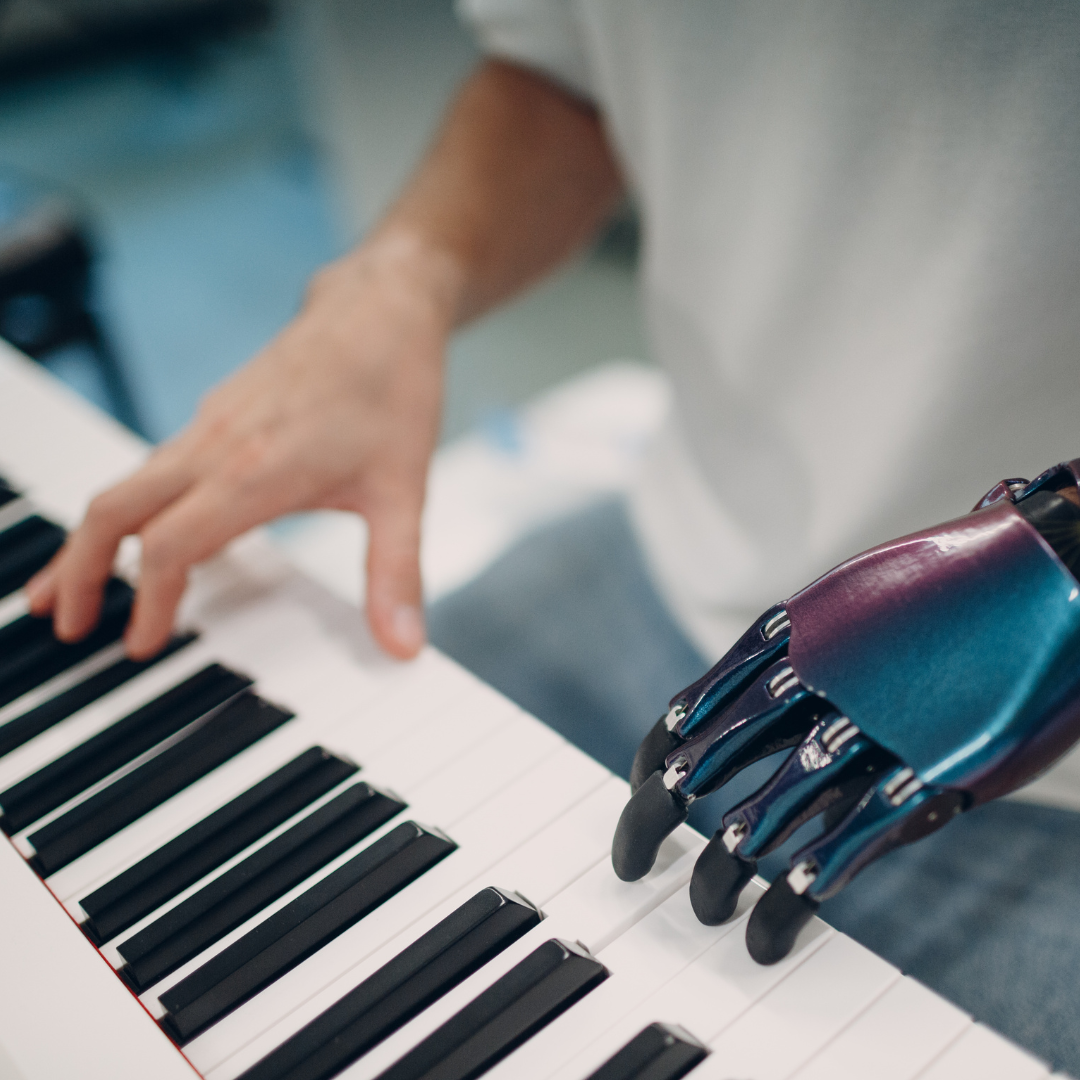
Tidal to Ban Wholly AI-Generated Tracks Starting December 9
Tidal has announced that it will remove all tracks it determines are wholly AI-generated, with the ban taking effect December 9. It will also stop distributors from delivering these tracks and reject deliveries whose metadata says they were made solely with AI tools. Music made with AI assistance will still be allowed. Tidal says AI music diverts streams and royalties from artists and confuses fans. The service says about 43% of tracks delivered to it over the past 90 days were detected as wholly AI-generated, and that figure reached 60% of new uploads on November 6. Despite that volume, 96% of these tracks generate zero streams. Tidal expects to reject 80,000 to 85,000 songs a day and to have the existing ones removed from its 29 million track catalog by the start of the year. Robert Andersen, the Tidal lead at parent company Block, called for other services to follow suit. Spotify and Apple Music have so far chosen to label or deprioritize AI tracks while still allowing them to be uploaded.

PRS for Music Signs Licensing Deal with Roblox
PRS for Music has signed a licensing agreement with Roblox covering the use of music across the gaming and creation platform. PRS says it will start distributing royalties to songwriters, composers, and publishers in 2027, though it did not disclose the financial terms. PRS says the deal establishes an important principle: when music helps create value within online worlds, the people who write and compose it should share in that value. Roblox reported an average of 138 million daily active users in the third quarter. The deal is part of a wider PRS effort to license music use in video games. In March, PRS took legal action against Steam operator Valve, alleging it has never obtained a license for PRS members' music since the store launched in 2003, and the society says that case will continue unless Valve agrees to a license covering past and future use. Roblox has also signed a series of deals with music distributors, including Symphonic, Too Lost, and DistroKid.

Belgium's Residual Right Must Avoid Double Payment, EU Advocate General Says
An Advocate General at the Court of Justice of the European Union has said that Belgium's law giving authors and performers a right to be paid directly by streaming services and user-upload platforms is not, in principle, incompatible with EU law. Maciej Szpunar said EU law does not rule out splitting the right to authorize a use from the right to be paid for it, but that rightsholders must keep the option of licensing uses for free and that the same exploitation must not be paid for twice. Szpunar also found that parts of the Belgian scheme breach EU law on freedom to provide services, since the right could discourage multi-territory licenses and fragment the internal market. The case was brought by Streamz and by subsidiaries of Spotify, Sony Music, Universal Music, Warner Music, Google, and Meta. IFPI welcomed the opinion, saying national rules must respect the single market and avoid double payments. The opinion is not binding, and the court's judges have begun deliberating, with a judgment due at a later date.

IMPALA Calls for Tough, Coordinated Action on Streaming Fraud
As International Fraud Awareness Week closes, IMPALA's Executive Chair Helen Smith has renewed the organization's call for tough, coordinated action against streaming manipulation and fraud. Smith said fraud diverts revenue from legitimate artists and labels, exploits remuneration and recommendation systems, and undermines trust in streaming, with generative AI making it easier to mass-upload AI "slop." She also noted that independent companies often have fewer resources to monitor and respond to fraud, so they can be disproportionately affected. IMPALA says real action means tougher artist verification, robust KYC and fraud prevention systems, better detection of fake accounts and artificial streams, and financial measures such as carriage fees and penalties for persistent offenders. It also says distributors should verify their clients and content before delivery. IMPALA is a partner in the Streaming Integrity Initiative and says the current momentum is a chance to update the industry's voluntary code of best practice. It also calls for clear, consistent approaches to AI-generated content, in line with its Digital Music Plan.

CISAC reaches 100 million ISWCs in centenary year
CISAC, the International Confederation of Societies of Authors and Composers, has reached 100 million International Standard Musical Work Codes (ISWCs), the unique identifiers for musical works, in its centenary year. Developed 30 years ago and approved as an ISO standard in 2001, each code gives a musical work a permanent reference tied to its authors and composers, helping collecting societies' databases match works to the creators owed royalties. The first code went to ABBA's "Dancing Queen," co-written by Björn Ulvaeus, who is now CISAC's president. CISAC moved to a fully centralized ISWC system in 2020 to speed up and improve the accuracy of code assignment. More than 100 societies now use it, processing 15 million transactions a month. Nearly 30 publishers allocate ISWCs themselves, almost 50 validate codes against the database, and digital services and data companies run more than 20 million queries a month. CISAC's Sylvain Piat said the priority is to strengthen the link between accurate data and fair pay for creators.
Random Ramblings:
- You'll never hear this Daft Punk classic the same way again.
- The Fans You Never Hear From.
- The 200 Best Songs of the 1990s.
- Grammy Nominations 2027: See the Full List Here.