CISAC Reports €14 Billion in Music Royalties, SOCAN Joins GEMA’s One Arena, and IMPALA Responds to Zebralution Acquisition

How The Music Business Works - Issue #86
November 5, 2026
Welcome back to How the Music Business Works.
Global royalty collections for music creators reached €14.06 billion in 2025, according to CISAC’s latest report, with digital income growing nearly 28% and live and background music overtaking TV and radio as the second-largest source. Collecting societies are also working to make international live royalties easier to follow, as Canada’s SOCAN joins GEMA’s One Arena network and brings more transparency to concert payments across borders.
A major label’s acquisition of German distributor Zebralution has drawn a response from IMPALA, which says the independent sector has lost another piece of its infrastructure and is urging EU policymakers to protect cultural diversity.
The Copyright Alliance has criticized Meta’s proposed business terms of service, warning they could let the company scrape content from commercial accounts to power its products and AI, while Meta signals the rollout could be delayed pending consultation.
And Billboard Latin Music Week returned to Miami Beach for its 37th edition, bringing panels, performances, and networking events to thousands of attendees ahead of the Billboard Latin Music Awards.
Here’s the news.

CISAC Reports Music Creator Royalties Hit €14 Billion in 2025
The International Confederation of Societies of Authors and Composers (CISAC) has released its 2026 Global Collections Report. It shows royalties collected for music creators rose 11.9% year over year to €14.06 billion in 2025. Digital collections grew 27.9% to €6.41 billion and now account for 45.6% of all music collections. Live and background music became the second-largest income source, rising 7.3% to €3.62 billion and overtaking TV and radio for the first time, while TV and radio collections slipped 3.0% to €3.32 billion. Music collections have grown 83.5% since 2016. The report arrives in CISAC’s centenary year, following the adoption of the Paris Commitment on AI in June, which calls on governments and tech companies to ensure human creativity is recognized, protected, and fairly paid. Director general Gadi Oron called the growth an encouraging signal but warned that past growth cannot be taken for granted as AI advances.

SOCAN Joins GEMA’s One Arena for Live Royalty Transparency
Canadian collecting society SOCAN has joined One Arena, the initiative founded by Germany’s GEMA, marking the first expansion of the network beyond Europe. One Arena gives songwriters, publishers, and their representatives a clearer view of what they can expect to earn from international live performances, when they are likely to be paid, and how royalties were calculated, by tracking major concerts across member markets, producing royalty forecasts, and submitting setlists to the relevant societies. The network’s members now include SUISA, AKM, Buma-Stemra, KODA, TONO, OSA, SOCAN, and GEMA. Responsibility for licensing and paying royalties remains with the collecting society in each territory. GEMA CEO Tobias Holzmüller said SOCAN’s expertise in the Canadian market will help the network support more rightsholders, while SOCAN CEO Jennifer Brown noted that the path to collecting international live royalties is often long and full of information gaps, which One Arena helps close.
IMPALA Responds to Major’s Acquisition of Zebralution
Warner Music Group has acquired German distributor Zebralution Music, and European independent label trade body IMPALA has weighed in with a mixed response. While IMPALA said it hopes the deal boosts competition among the majors and praised Zebralution’s achievements, it warned that the independent sector has lost another piece of its infrastructure, and that labels and artists who deliberately chose an independent distributor now find themselves inside a major’s network. IMPALA noted that Zebralution was originally divested from Warner more than a decade ago as part of the clearance for Warner’s purchase of Parlophone, with the aim of strengthening the independent sector, making its reacquisition difficult to reconcile. The deal follows Warner’s recent purchase of Revelator and Universal’s acquisitions of Downtown and PIAS. Warner has said artists using Zebralution can remain independent. IMPALA is calling on EU policymakers to protect cultural diversity through a strategic approach to European culture policy, targeted finance for smaller players, and a level playing field on remuneration and promotional tools.

Copyright Alliance Criticizes Meta’s Proposed Business Terms
The Copyright Alliance, whose members include the RIAA, NMPA, and Universal Music Group, has condemned Meta’s proposed updates to its business terms of service, arguing they could let Meta scrape content from commercial account holders to power its business products and train and ground its AI. The group says there is no opt-out, leaving business users to either accept the terms or terminate essential accounts, and that the revised wording still allows broad scraping and could bypass protocols like robots.txt. Because virtually every creative organization holds a Meta business account, it warned the impact would reach photographers, newspapers, artists, and more. The terms were set to take effect November 20, but Meta said the date could be pushed back pending a full consultation with industry groups, which would mark the second delay after an earlier postponement from October 30. A court in Oslo has also temporarily barred Meta from implementing the terms following a challenge from ten Norwegian media groups, and US Senators Marsha Blackburn and Adam Schiff have urged the company to withdraw them. Meta maintains that content owners can still use robots.txt to signal preferences and that the update is not about scraping news sites.
Billboard Latin Music Week 2026 Returns to Miami Beach for Its 37th Edition
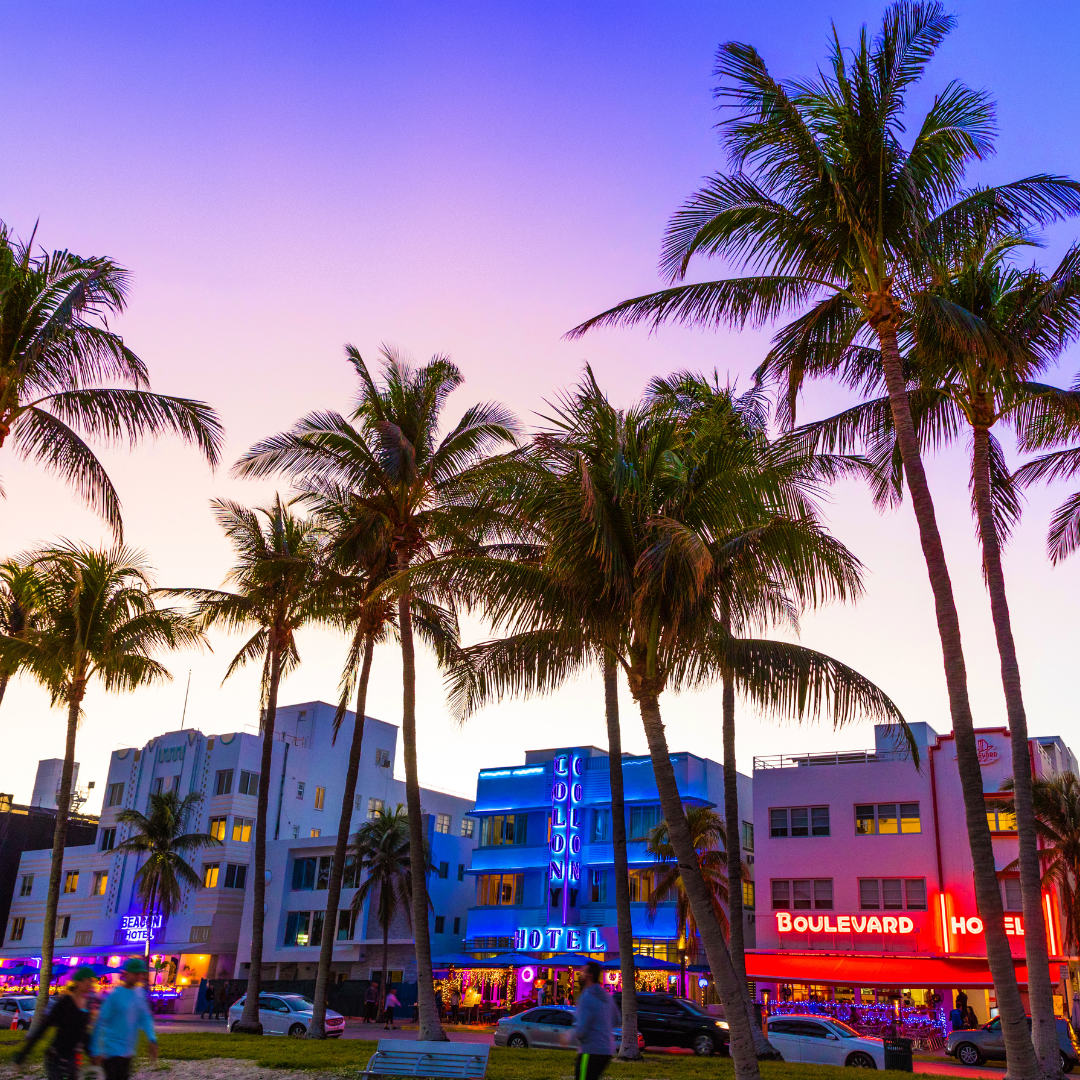
Billboard Latin Music Week 2026 returned to the Faena Forum in Miami Beach for its 37th edition, drawing thousands of attendees for a week of artist conversations, executive panels, rooftop performances, and networking events across the city. Panels covered building partnerships that scale business, maintaining creativity while collaborating in teams, and how AI-generated music could shape artists’ creativity. The Superstar Q&A explored the growing popularity of regional Cuban and Mexican music, with Mexican football legend Memo Ochoa in conversation with Jesús Ortiz Paz of Fuerza Regida, while a women’s panel moderated by Billboard Español’s Sigal Ratner-Arias celebrated the global rise of female artists, featuring Ana Mena, Aria Vega, Greeicy, and LALI. Attendees also met industry experts through roundtable sessions in the attendee lounge, and emerging artists used the platform to promote new releases, including Puerto Rican musician Cristalle and her bachata song “Miel.” A2IM and Open on Sunday Music Financing hosted an event for labels and lawyers at the Bass Museum of Art, and live music filled venues from the Envivo stage to the Furia rooftop, many of them sold out. The week began October 19 and culminated with the 2026 Billboard Latin Music Awards on October 22 at the James L. Knight Center in Miami, featuring performances across Latin pop, tropical, and música mexicana.
Random Ramblings:
- How Do Indie Labels Handle Music Royalty Accounting?
- Sydney’s Newest Museum Is Opening Like a Music Venue.
- 10 Songs That Have a Twist You Don’t See Coming.
- How One Musician Turned Disability and Isolation Into a Song.