Drake Sued Over “Janice STFU,” Musicians Push Back on AI Deals, and Australia Faces Pressure to Weaken Copyright for AI

How The Music Business Works - Issue #84
October 22, 2026
Welcome back to How the Music Business Works.
A Grammy-winning producer is suing Drake over allegations that the chorus of “Janice STFU” was copied word-for-word from a demo he sent to producers in Drake’s circle, in one of the more striking copyright disputes of the year.
The American Federation of Musicians is pushing back against the major labels with its new “Human Made Human Paid” campaign, demanding consent, credit, and compensation for session musicians whose recordings are being licensed to AI platforms without their knowledge or payment. Australia is facing similar pressure, with the ICMP warning its government against becoming the first country in the world to weaken copyright protections for AI training.
SoundExchange’s lawsuit against Sonos has been put on hold pending the outcome of a separate appeal that could determine whether the collecting society has the legal standing to sue over unpaid royalties at all.
And in a welcome contrast, Ireland is rolling out one of Europe’s most substantial commitments to artist welfare, with 2,000 creative workers set to receive €1,413 per month for three years under its new basic income scheme.
Here’s the news.
AFM’s “Human Made Human Paid” Campaign Calls Out Labels for Cutting Musicians Out of AI Deals
The American Federation of Musicians has launched a new campaign demanding consent, credit, and compensation for musicians whenever their work is used to train AI models. The push comes as the union’s negotiations with the major labels over a new Sound Recording Labor Agreement remain stalled after four rounds of bargaining, with AFM pushing for contractual guardrails around AI use. The union has also sued Universal Music and Warner Music over whether existing contract language covering “new uses” of recordings entitles session musicians to a share of the labels’ AI licensing revenue. The campaign highlights a growing divide between labels and the artists they represent. While the majors have publicly cautioned against AI replacing human artists, AFM points out they are simultaneously licensing their catalogs to AI platforms for significant sums while session musicians receive nothing. The union is demanding three non-negotiables: the explicit right for musicians to consent to or refuse AI use of their work, full transparency and credit, and fair payment whenever their performances generate value in AI systems. For session musicians in particular, union-led negotiations may be the only path to any share of AI income, as their situation is not covered by the same contractual frameworks that apply to featured artists or songwriters.

Irish Musicians to Start Receiving €1,400 Basic Income Each Month
Ireland is rolling out a landmark basic income scheme for artists, paying 2,000 selected creative workers €1,413 per month for three years, funded by €34.4 million secured in Budget 2027. The program was chosen from a pool of more than 10,000 applicants across all creative disciplines, with the first 750 successful applicants notified in mid-October and payments backdated to September. A second batch of artists will be selected in 2027, with payments backdated to January of that year. The scheme builds on a pilot program first launched in 2022 under former Minister for Culture Catherine Martin, which was designed to address the chronic financial instability faced by working artists in Ireland. The National Campaign for the Arts called the rollout a significant milestone, describing it as a long-term scheme built on the evidence and success of the pilot. With €325 per week guaranteed for three years, the program represents one of the most substantial government commitments to artist welfare seen anywhere in Europe.

SoundExchange’s Lawsuit Against Sonos Put on Hold Pending SiriusXM Appeal
A federal judge has removed SoundExchange’s lawsuit against Sonos from its active docket, pausing the case while a separate appeal in SoundExchange’s dispute with SiriusXM works its way through the courts. The Sonos case, which seeks more than $3.4 million in unpaid royalties tied to the Sonos Radio streaming service, hinges on the same legal question at the center of the SiriusXM dispute: whether SoundExchange has the legal standing to sue companies over unpaid royalties at all. That question arose after a New York judge dismissed SoundExchange’s $400 million claim against SiriusXM, finding that the law designating SoundExchange to collect royalties does not expressly give it the right to sue over them. SoundExchange has appealed, and the Second Circuit heard arguments in September. The outcome carries significant implications beyond these two cases, as SoundExchange collects roughly $1 billion in royalties annually from around 3,600 licensees. A ruling against it could leave artists and labels to pursue underpaying services in court themselves.

Music Publishers Warn Australia Against Weakening Copyright for AI Training
The International Confederation of Music Publishers has warned Australia’s government against giving in to pressure from AI companies seeking to weaken the country’s copyright laws to accommodate AI training. ICMP Managing Director John Phelan called the push an attempt to “legitimize larceny,” accusing tech companies of threatening to withhold investment if policymakers do not comply. Of the 62 countries that have considered changes to their copyright laws, Australia is the only one seriously entertaining the idea, according to the ICMP. Evidence suggests AI models have already been trained on Australian artists’ work without permission, with Google’s Gemini able to reproduce lyrics by Kylie Minogue and Nick Cave. A leaked government consultation document has outlined two possible frameworks, both built on an opt-out system. Australia’s parliamentary inquiry into AI is due to deliver its report by November 30, with the global music industry closely watching the outcome.
Drake Sued Over ‘Janice STFU’ by Producer Who Says Rapper Stole His Chorus
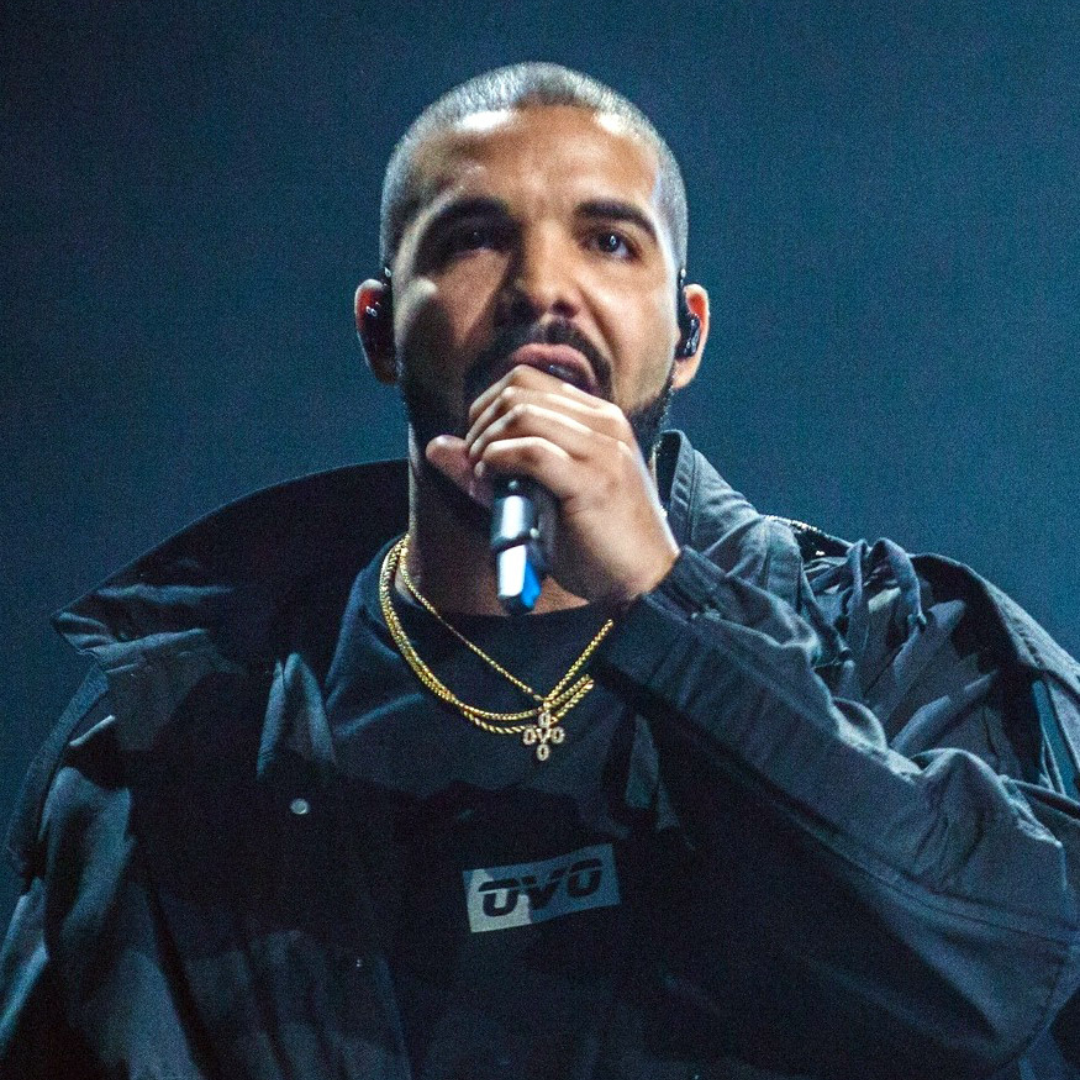
Grammy-winning producer Aviel Calev Hirschfield has filed a copyright infringement lawsuit against Drake, OVO Sound, UMG Recordings, and Universal Music Publishing, alleging the chorus of Drake’s chart-topping hit “Janice STFU” was copied word-for-word from a demo he sent to producers in Drake’s circle in January 2026. Hirschfield, who previously co-wrote Beyoncé’s “Heated” alongside Drake, says the two choruses are literally identical in lyrics, melody, and cadence, and that he received no credit or compensation despite providing metadata from his recording software proving the demo predates the song’s release. Drake’s team has denied the allegations entirely, calling the lawsuit a “manufactured and baseless attempt” to exploit the rapper’s name and accusing Hirschfield of manipulating the metadata on his recording. They have also sent him a cease-and-desist letter demanding he stop publicly claiming ownership. “Janice STFU,” one of three albums Drake released in May 2026, debuted at number one on the Billboard Hot 100 and has accumulated over 300 million Spotify streams, making it his longest-leading number one on the Hot Rap Songs chart.
Random Ramblings:
- Fans: The 2% That Matter.
- Traditional Arabesk music is proving popular with young Turks.
- Virtual Concerts Still Exist. Why Aren’t We Talking About Them?
- The “Phantom” Festival That Vanished.